Mastering Mandala Vector Art Pattern 1515: A Versatile Tool for Creative and Productive Workflows
Mandala Vector Art Pattern 1515 is a unique and intricate design that offers both aesthetic appeal and functional utility across various creative and professional applications. As a vector-based pattern, it provides scalability, adaptability, and precision—key attributes that make it ideal for use in graphic design, branding, education, marketing, and personal projects. Whether you're an artist looking to enhance your portfolio or a business owner aiming to create visually engaging content, understanding how to integrate Mandala Vector Art Pattern 1515 into your workflow can significantly elevate your output.
The Nature of Mandala Vector Art Pattern 1515
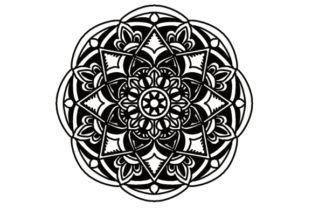
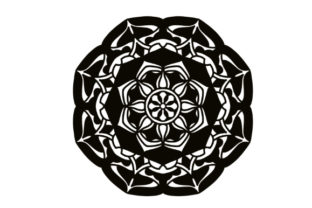
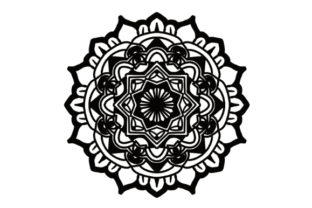
Mandala Vector Art Pattern 1515 is a meticulously crafted geometric design that combines symmetry, repetition, and complexity. Unlike traditional mandalas, which often carry spiritual or meditative connotations, this particular pattern is designed with a focus on visual harmony and structural integrity. It features interlocking shapes, concentric circles, and intricate lines that form a cohesive whole. The pattern is available in multiple formats including AI, EPS, and JPG, making it accessible for use in a wide range of software tools and platforms.
Its vector format ensures that the design remains crisp and clear at any scale, which is particularly valuable when working with digital media or print materials. This versatility makes it a powerful asset for designers who need high-quality, reusable assets that can be easily modified or integrated into larger compositions.
Where Mandala Vector Art Pattern 1515 Fits in the Creative Process
Mandala Vector Art Pattern 1515 can serve as a foundational element in several stages of a project, from initial planning to final execution. For instance, during the conceptual phase of a design project, the pattern can act as a source of inspiration. Its symmetrical structure can guide the layout of a website, the composition of a poster, or the arrangement of elements in a logo.
During the development stage, the pattern can be used as a background or overlay in graphic design software such as Adobe Illustrator or InDesign. It can also be incorporated into templates, ensuring consistency across different design pieces. For marketers and educators, the pattern can be used to create visually engaging infographics, slides, or educational materials that capture attention while conveying information effectively.
In the final stages of a project, Mandala Vector Art Pattern 1515 can be used to add a decorative touch without overwhelming the main content. It’s especially useful in branding efforts where a consistent visual identity is crucial. By integrating the pattern into logos, social media graphics, or packaging designs, businesses can create a cohesive and memorable brand presence.
Practical Integration Into Workflows
Integrating Mandala Vector Art Pattern 1515 into your workflow requires careful planning and consideration of compatibility, usability, and long-term value. Here are some practical tips to help you make the most of this resource:
- Choose the Right Format: Depending on your intended use, select the appropriate file format. AI files are best for editing in vector software, while JPGs are ideal for web use. EPS files offer excellent quality for print and scalable vector graphics.
- Test Compatibility: Ensure that the pattern works well with your design tools and platforms. Some software may require specific plug-ins or settings to render vector patterns correctly.
- Organize Your Assets: Keep your files organized by creating dedicated folders for different projects and formats. This helps streamline your workflow and reduces the risk of file misplacement or version confusion.
- Customize as Needed: Use the vector format to modify the pattern to suit your specific needs. Adjust colors, sizes, or elements to align with your brand or project requirements.
- Use in Multiple Contexts: Don’t limit the pattern to one use case. Explore its potential in various applications such as website backgrounds, social media posts, print materials, and even personal projects like journaling or meditation visuals.
By thoughtfully integrating Mandala Vector Art Pattern 1515 into your workflow, you can unlock new creative possibilities while maintaining efficiency and consistency in your outputs.
Collaboration and Cross-Platform Use
Mandala Vector Art Pattern 1515 is not limited to individual use—it can also be a valuable tool in collaborative environments. When working with teams, the pattern can serve as a common visual language, helping to unify design elements across different projects and platforms.
For example, in a marketing team, the pattern can be used consistently across email campaigns, social media graphics, and promotional materials, reinforcing brand identity. Similarly, in educational settings, the pattern can be used to create interactive learning materials, such as diagrams, timelines, or concept maps that engage students visually.
When using the pattern across different platforms, ensure that it maintains its quality and clarity. Test how it appears on various devices and screen sizes, especially if you’re using it for web-based content. Additionally, consider how the pattern interacts with other design elements, such as text, images, and color schemes, to ensure a balanced and cohesive composition.
Long-Term Value and Reusability
One of the greatest advantages of Mandala Vector Art Pattern 1515 is its reusability. Because it’s a vector format, it can be used repeatedly across different projects without losing quality. This makes it an excellent investment for creators who frequently need to generate visual content.
To maximize its long-term value, consider creating a library of variations based on the original pattern. You can experiment with different color palettes, layouts, and combinations to suit various projects. This approach not only saves time but also allows for greater creativity and flexibility in your work.
Additionally, keep track of how the pattern performs in different contexts. Note which applications it works best in, what modifications are most effective, and how it contributes to the overall success of your projects. This feedback loop will help you refine your use of the pattern over time and ensure it continues to deliver value.
Conclusion
Mandala Vector Art Pattern 1515 is more than just a design element—it's a versatile tool that can enhance both the creative and practical aspects of your workflow. By understanding its nature, integrating it thoughtfully, and leveraging its reusability, you can unlock new opportunities for innovation and efficiency. Whether you're a designer, marketer, educator, or entrepreneur, this pattern has the potential to become an essential part of your toolkit.