Old Paper Textures: A Timeless Design Asset for Modern Creativity
In an era dominated by sleek digital interfaces and minimalist aesthetics, the charm of Old Paper Textures offers a refreshing contrast. These textures bring warmth, character, and a sense of history to any project, making them an invaluable resource for designers, artists, and creators across multiple industries. Whether you're crafting a website, designing a poster, or developing a textile pattern, the right texture can elevate your work from ordinary to exceptional.
The Appeal of Old Paper Textures in Contemporary Design
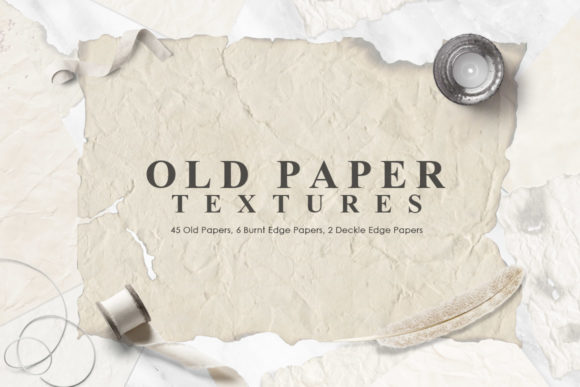
Old Paper Textures is more than just a collection of images—it's a curated library of 53 grunge old papers, each with its own unique texture and visual appeal. This artistic pack includes a variety of formats, such as PSD, PNG, and JPG, ensuring compatibility with different design tools and workflows. From the subtle grain of aged parchment to the rough edge of burnt paper, these textures cater to a wide range of tastes and creative needs.
One of the key reasons Old Paper Textures has gained popularity is its ability to blend vintage charm with modern design practices. In today’s fast-paced digital world, users are increasingly drawn to content that feels authentic and handcrafted. The tactile quality of old paper textures adds a layer of depth and emotion to digital projects, helping to create a more engaging user experience.
Why Old Paper Textures Matter in Today’s Creative Landscape
As design trends evolve, there’s a growing emphasis on authenticity and storytelling. Old Paper Textures aligns perfectly with this shift by offering designers a way to infuse their work with historical and emotional resonance. This is particularly relevant in fields like web design, where a well-chosen texture can enhance the visual hierarchy and guide user attention in a more intuitive way.
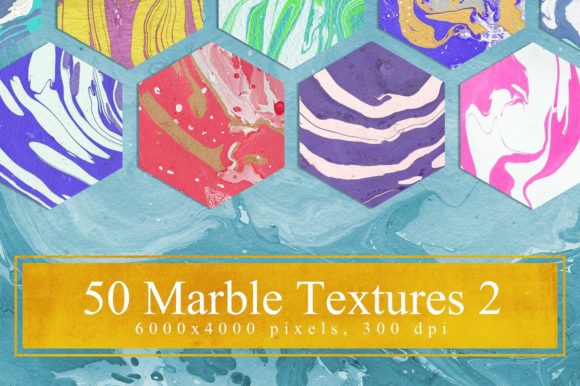
Moreover, the rise of remote work and digital collaboration has increased the demand for versatile, high-quality assets that can be easily integrated into various platforms. Old Paper Textures meets this need by providing scalable, high-resolution files (6000x4000px at 300 DPI) that maintain clarity regardless of the project’s scale. Whether you’re working on a small flyer or a large banner, these textures ensure consistent quality without compromising performance.
Practical Applications Across Industries
The versatility of Old Paper Textures makes it suitable for a wide array of applications. Here are some practical examples:
- Web Design: Use old paper textures as background layers to create a nostalgic or vintage aesthetic in websites, landing pages, and portfolio sites.
- Print Media: Incorporate these textures into invitations, brochures, and packaging to give printed materials a tactile feel that digital formats can’t replicate.
- Textile and Pattern Design: The organic patterns found in old paper textures can inspire fabric prints, wallpaper designs, and even home décor elements.
- Art and Illustration: Artists and illustrators can use these textures as a base for mixed-media works, adding depth and texture to their compositions.
- App and UI Design: Integrate subtle paper textures into app interfaces to create a more human-centric, approachable design language.
These textures are not limited to specific industries—they can be adapted to fit almost any creative endeavor. Their adaptability makes them a valuable addition to any designer’s toolkit, especially those looking to stand out in a crowded market.
How Old Paper Textures Fits Into Modern Workflows
Modern design workflows often require efficiency, flexibility, and a balance between creativity and practicality. Old Paper Textures supports this by offering a range of file types and resolutions that suit different stages of the creative process. For instance, the 2 PSD and PNG files of deckle edge papers provide a professional-grade option for detailed editing, while the 45 old paper JPGs offer quick access for immediate use in mockups or presentations.
Additionally, the inclusion of 6 burnt edge papers in PNG format allows for easy integration into digital projects that require a dramatic or distressed look. These textures are designed to be used in isolation or layered with other elements, giving designers the freedom to experiment and refine their ideas without being constrained by technical limitations.
Enhancing User Experience Through Texture
Texture plays a crucial role in shaping user experience, particularly in digital environments. While most interactions occur through screens, the presence of physical textures can help bridge the gap between the virtual and the tangible. Old Paper Textures enables designers to create a more immersive and emotionally resonant experience by introducing elements of history, craftsmanship, and individuality into their work.
This is especially important in marketing and branding, where the goal is not only to communicate a message but also to evoke a feeling or connection with the audience. By incorporating old paper textures, brands can differentiate themselves from competitors and build a stronger emotional bond with their customers.
Choosing the Right Texture for Your Project
With so many options available, selecting the right texture can be overwhelming. However, Old Paper Textures simplifies the decision-making process by offering a diverse range of styles and finishes. Here are a few tips to help you choose effectively:
- Consider the mood: A soft, aged paper might be ideal for a calming website, while a burnt edge texture could add drama to a promotional poster.
- Think about the context: Use more textured papers in print materials and less in digital interfaces to maintain visual balance.
- Test in different environments: Preview how the texture looks in various lighting conditions and screen sizes to ensure consistency.
- Layer strategically: Combine textures with other design elements to create depth and visual interest without overwhelming the composition.
By carefully selecting and applying textures, designers can create visually compelling projects that resonate with their audience and reflect their brand identity.
Conclusion
Old Paper Textures represents a thoughtful fusion of tradition and innovation, offering designers a powerful tool to enhance their work. As the creative landscape continues to evolve, the demand for authentic, meaningful design elements will only grow. Whether you're a seasoned professional or a passionate hobbyist, Old Paper Textures provides the versatility and quality needed to bring your vision to life.