Discovering the Beauty and Utility of Mandala Vector Art Pattern 1549
In a world that increasingly values both aesthetics and functionality, vector art has emerged as a powerful tool for creators across industries. Among the many designs available, Mandala Vector Art Pattern 1549 stands out for its intricate design, versatility, and ease of use. Whether you're a graphic designer, marketer, educator, or hobbyist, this pattern offers a unique blend of artistic depth and practical application.
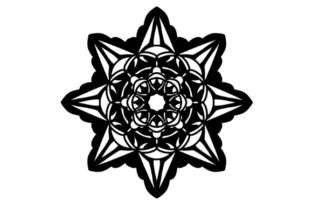
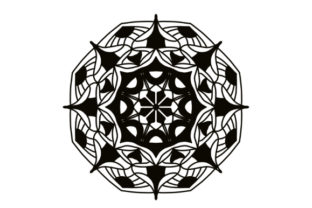
Mandala Vector Art Pattern 1549 is not just another decorative element—it’s a carefully crafted design that balances symmetry with complexity. Its geometric patterns and repetitive motifs reflect a deep cultural and spiritual heritage while remaining highly adaptable to modern design needs. This makes it particularly relevant in today’s creative landscape, where visual content plays a crucial role in branding, storytelling, and user engagement.
The Evolution of Vector Art in Modern Design
Vector art has evolved significantly over the past decade, driven by advancements in digital tools and changing consumer expectations. Unlike raster images, which are resolution-dependent, vector graphics maintain clarity at any scale, making them ideal for everything from print materials to digital interfaces.
Mandala Vector Art Pattern 1549 exemplifies this evolution by combining traditional mandala elements with contemporary design principles. The pattern is built using scalable vector graphics (SVG), allowing users to resize and manipulate it without losing quality. This adaptability is especially valuable for professionals who need to create content that works across multiple platforms and mediums.
Moreover, the availability of Mandala Vector Art Pattern 1549 in multiple formats—AI, EPS, and JPG—caters to a wide range of users. Designers working with Adobe Illustrator can benefit from the AI format, while those needing compatibility with other software may prefer EPS or JPG. This flexibility ensures that the pattern remains accessible and useful regardless of the user's workflow or technical background.
Why Mandala Vector Art Pattern 1549 Matters Today
As businesses and individuals seek more meaningful and visually engaging content, mandalas have gained renewed interest. These symbols, rooted in ancient traditions, are now being reinterpreted in modern contexts such as mindfulness, wellness, and personal branding.
Mandala Vector Art Pattern 1549 taps into this trend by offering a versatile template that can be integrated into various projects. From social media graphics to packaging designs, this pattern provides a consistent visual identity that resonates with audiences. Its symmetrical structure also lends itself well to branding efforts, helping to create a cohesive and recognizable aesthetic.
For educators and content creators, the pattern serves as an excellent resource for illustrating complex concepts. Its intricate yet structured design can be used to break down ideas into digestible parts, making it a valuable tool in teaching and learning environments. Additionally, the pattern’s scalability means it can be adapted for different educational levels and subjects, from psychology to mathematics.
Practical Applications Across Industries
The utility of Mandala Vector Art Pattern 1549 extends beyond individual creativity. It has real-world applications in several fields, including marketing, web development, and product design.
In marketing, the pattern can be used to create eye-catching visuals that capture attention and convey brand values. For example, a wellness brand might incorporate the mandala into their logo or promotional materials to evoke a sense of calm and balance. Similarly, eco-conscious brands could use the pattern to reinforce their commitment to sustainability through visually appealing and meaningful imagery.
Web developers and UX designers can also benefit from this pattern. Its clean lines and structured layout make it suitable for backgrounds, icons, and interactive elements. By integrating Mandala Vector Art Pattern 1549 into websites or apps, designers can enhance user experience while maintaining a strong visual identity.
Product designers, too, find value in the pattern’s adaptability. Whether it’s for packaging, textiles, or stationery, the mandala’s intricate design adds a touch of elegance and uniqueness. This is particularly important in competitive markets where differentiation is key to standing out.
How to Use Mandala Vector Art Pattern 1549 Effectively
While Mandala Vector Art Pattern 1549 is a powerful resource, its effectiveness depends on how it’s applied. Here are some practical tips to help you make the most of this design:
- Customize the pattern to match your project’s theme and color scheme. Experiment with different hues and contrasts to create a unique look.
- Use it as a base for other design elements. For instance, overlay text or illustrations onto the mandala to add layers of meaning and visual interest.
- Explore layering techniques to build complex compositions. Combining the mandala with other vector elements can result in stunning, multi-dimensional designs.
- Test across platforms to ensure the pattern looks great on all devices and screen sizes. Pay special attention to mobile responsiveness, as many users access content on smartphones.
- Consider licensing and usage rights when incorporating the pattern into commercial projects. Always verify that you have the appropriate permissions for your intended use.
By following these guidelines, you can unlock the full potential of Mandala Vector Art Pattern 1549 and apply it creatively and responsibly in your work.
Trends Shaping the Future of Vector Art
The rise of digital transformation has reshaped the way we create and consume visual content. As remote work and online collaboration become more common, the demand for flexible, high-quality design assets has grown. This shift has made vector art, including Mandala Vector Art Pattern 1549, an essential part of modern workflows.
Additionally, the increasing focus on mental health and self-care has fueled interest in mandalas as tools for relaxation and mindfulness. This cultural shift means that designs like Mandala Vector Art Pattern 1549 are not only aesthetically pleasing but also emotionally resonant. They offer a visual anchor for meditation, journaling, and creative expression.
Looking ahead, the integration of AI and machine learning in design tools will likely further enhance the capabilities of vector art. These technologies can help automate tasks such as color grading, layout optimization, and even pattern generation, making it easier for creators to experiment and innovate.
However, despite these technological advancements, the human element of design remains irreplaceable. Mandala Vector Art Pattern 1549 reminds us that creativity is about more than just technical skill—it’s about intention, emotion, and connection. As we move forward, the best designs will be those that balance innovation with authenticity.
Conclusion
Mandala Vector Art Pattern 1549 represents a perfect intersection of tradition and modernity. Its intricate design, combined with its versatility and accessibility, makes it a valuable asset for creators and professionals alike. Whether you’re designing for business, education, or personal use, this pattern offers endless possibilities.
As trends continue to evolve, the importance of thoughtful, high-quality design will only grow. By embracing tools like Mandala Vector Art Pattern 1549, you can stay ahead of the curve and create content that resonates with your audience. With the right approach, this pattern can become a cornerstone of your creative toolkit.