Exploring the Aesthetic and Utility of Mandala Vector Art Pattern 1534
Mandala Vector Art Pattern 1534 is a unique design that has gained popularity in both digital and print media. This intricate pattern, with its symmetrical geometry and spiritual undertones, offers a versatile tool for designers, artists, and creators across various industries. Whether you're looking to incorporate it into branding, packaging, or personal projects, understanding the characteristics and applications of Mandala Vector Art Pattern 1534 can enhance your creative process and expand your design possibilities.
The Visual Language of Mandala Vector Art Pattern 1534
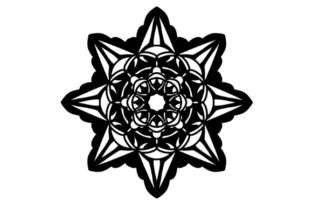
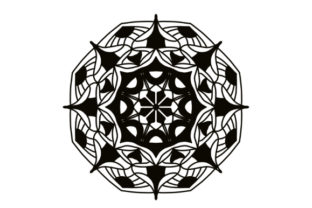
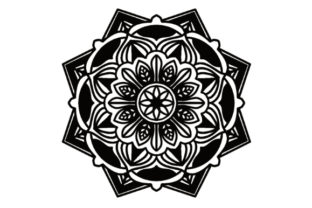
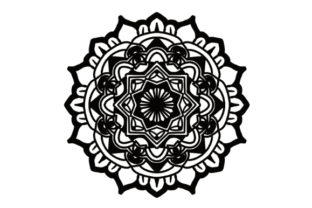
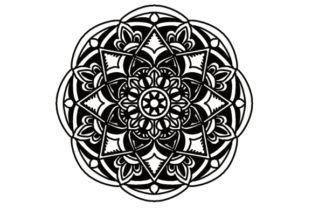
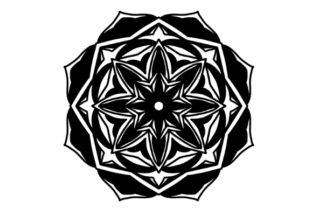
Mandala Vector Art Pattern 1534 is characterized by its complex yet harmonious composition. It features concentric circles, interlocking shapes, and repeating motifs that create a sense of balance and unity. The design is rooted in traditional mandala art, which originates from Buddhist and Hindu traditions, symbolizing the universe and the interconnectedness of all things.
What sets Mandala Vector Art Pattern 1534 apart is its adaptability. Unlike some mandala designs that are static, this pattern allows for customization. Designers can adjust the scale, color palette, and layering to suit different purposes. The vector format ensures scalability without loss of quality, making it ideal for use in both small-scale prints and large-format displays.
The geometric precision of the pattern also makes it highly compatible with modern design software. Adobe Illustrator, CorelDRAW, and other vector-based programs allow for seamless integration and manipulation of the design elements. This versatility means that Mandala Vector Art Pattern 1534 can be tailored to fit any project, whether it's a logo, website background, or product packaging.
Applications Across Industries
The appeal of Mandala Vector Art Pattern 1534 lies in its broad applicability. Let's explore how it can be used in various fields:
- Graphic Design: This pattern is often used as a background element in posters, brochures, and social media graphics. Its intricate design adds visual interest without overwhelming the content.
- Branding: Companies seeking to convey a sense of harmony, spirituality, or cultural heritage may incorporate Mandala Vector Art Pattern 1534 into their logos or brand identity systems.
- Interior Design: In spaces such as meditation rooms, wellness centers, or boutique stores, this pattern can be used as wall art, textiles, or decorative accents.
- Education: Teachers and educators can use the pattern to illustrate concepts in geometry, symmetry, and cultural studies, providing a hands-on learning experience.
- Art and Craft: Artists and crafters can print or trace the pattern onto fabric, paper, or canvas to create custom pieces, either for personal use or for sale.
- Marketing: Businesses can leverage the pattern in promotional materials, such as flyers, banners, and advertisements, to evoke a sense of calm and sophistication.
Each application highlights the pattern's ability to blend aesthetics with functionality. Whether you're designing for a niche market or a general audience, Mandala Vector Art Pattern 1534 offers a timeless and adaptable solution.
Advantages of Using Mandala Vector Art Pattern 1534
There are several advantages to choosing Mandala Vector Art Pattern 1534 over other design options:
- Scalability: As a vector file, the pattern maintains its clarity at any size, ensuring consistent quality across different mediums.
- Customizability: The open-source nature of the design allows for easy modification, enabling users to tailor the pattern to their specific needs.
- Cultural Significance: The mandala motif carries deep symbolic meaning, making it a powerful choice for projects that aim to connect with cultural or spiritual themes.
- Visual Impact: The intricate design captures attention and adds depth to any design, helping to differentiate your work from competitors.
- Cost-Effective: Since the pattern is available in AI, EPS, and JPG formats, users can access it at no cost, reducing the need for expensive graphic design tools.
These benefits make Mandala Vector Art Pattern 1534 an attractive option for both professionals and hobbyists alike. Whether you're working on a high-budget campaign or a personal project, the pattern provides value in terms of both aesthetics and functionality.
Considerations for Effective Use
While Mandala Vector Art Pattern 1534 offers numerous advantages, there are some considerations to keep in mind when using it:
- Color Coordination: The pattern’s complexity can sometimes overpower the surrounding content. It’s important to choose a color scheme that complements the design without clashing.
- Layering Techniques: To avoid visual clutter, consider using the pattern as a subtle background rather than a dominant element in your design.
- Resolution Requirements: When using the pattern in print, ensure that the resolution is appropriate for the intended output. High-resolution files are essential for professional printing.
- Copyright Awareness: While the pattern is freely available, it’s always wise to check the licensing terms to ensure proper usage, especially for commercial projects.
- Design Balance: Incorporate the pattern thoughtfully to maintain a balanced composition. Overuse can lead to a chaotic appearance, detracting from the overall message.
By being mindful of these considerations, designers can maximize the potential of Mandala Vector Art Pattern 1534 while maintaining a cohesive and visually appealing design.
Real-World Examples and Observations
To better understand how Mandala Vector Art Pattern 1534 is being used in practice, let’s look at a few real-world examples:
One notable case is in the wellness industry, where the pattern is frequently used in yoga studios and meditation centers. These spaces often feature the design on walls, cushions, and signage, creating an environment that promotes relaxation and mindfulness.
In the fashion industry, designers have incorporated the pattern into clothing lines, particularly in accessories like scarves, bags, and jewelry. The pattern adds a unique touch without being too overpowering, allowing the garment to remain functional while still being visually striking.
Another example comes from the educational sector, where the pattern is used in classroom materials and interactive learning tools. Teachers have reported that students are more engaged when they see the pattern in action, whether it's through drawing exercises or digital manipulations.
These examples demonstrate the pattern’s versatility and its ability to resonate with a wide range of audiences. Whether used for aesthetic appeal or functional purpose, Mandala Vector Art Pattern 1534 continues to find new and innovative applications.
Conclusion
Mandala Vector Art Pattern 1534 is more than just a design—it's a bridge between tradition and innovation. Its intricate structure, cultural significance, and adaptability make it a valuable asset for anyone involved in design, education, or creative expression. By understanding its characteristics, applications, and best practices, users can unlock its full potential and integrate it seamlessly into their projects.